

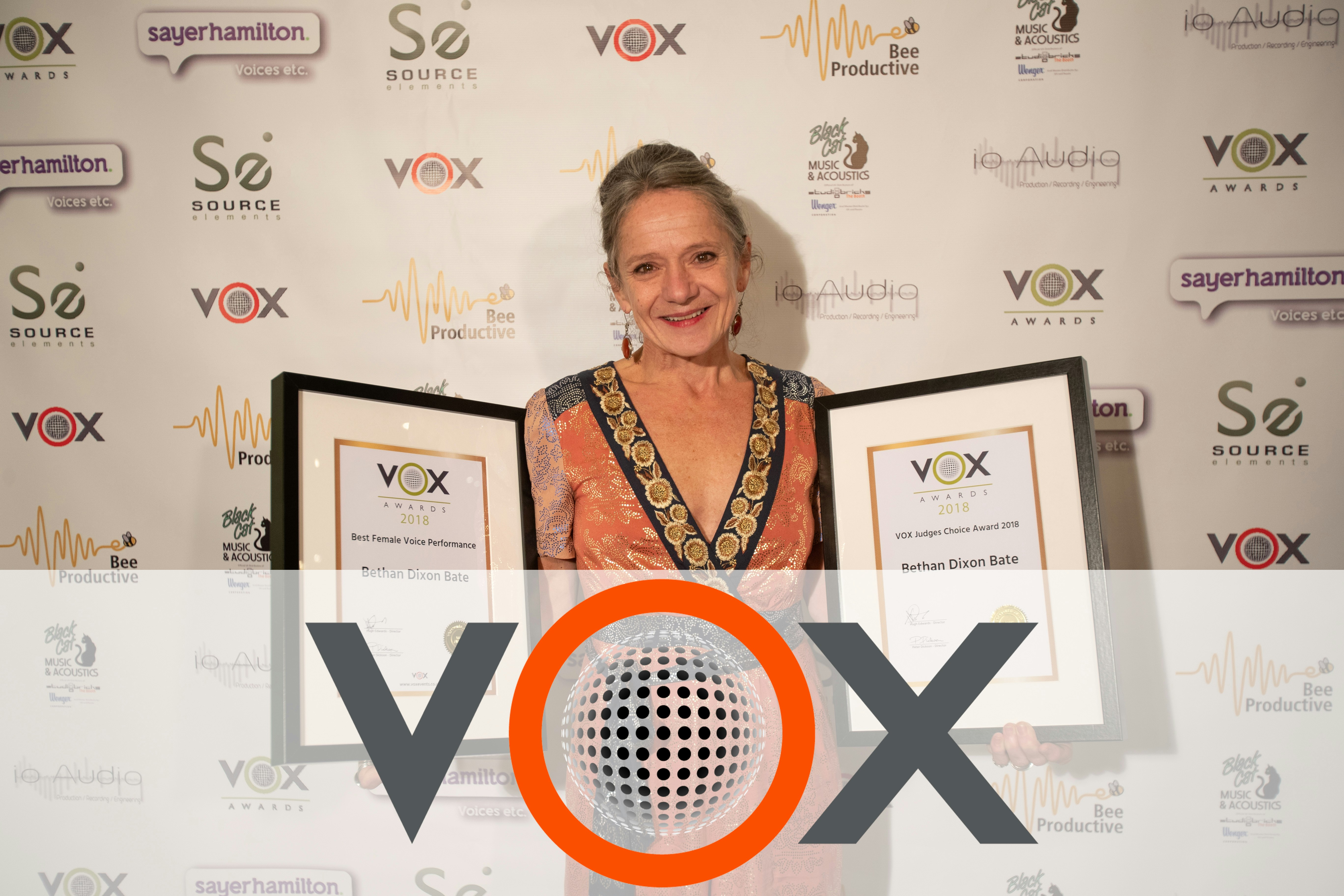
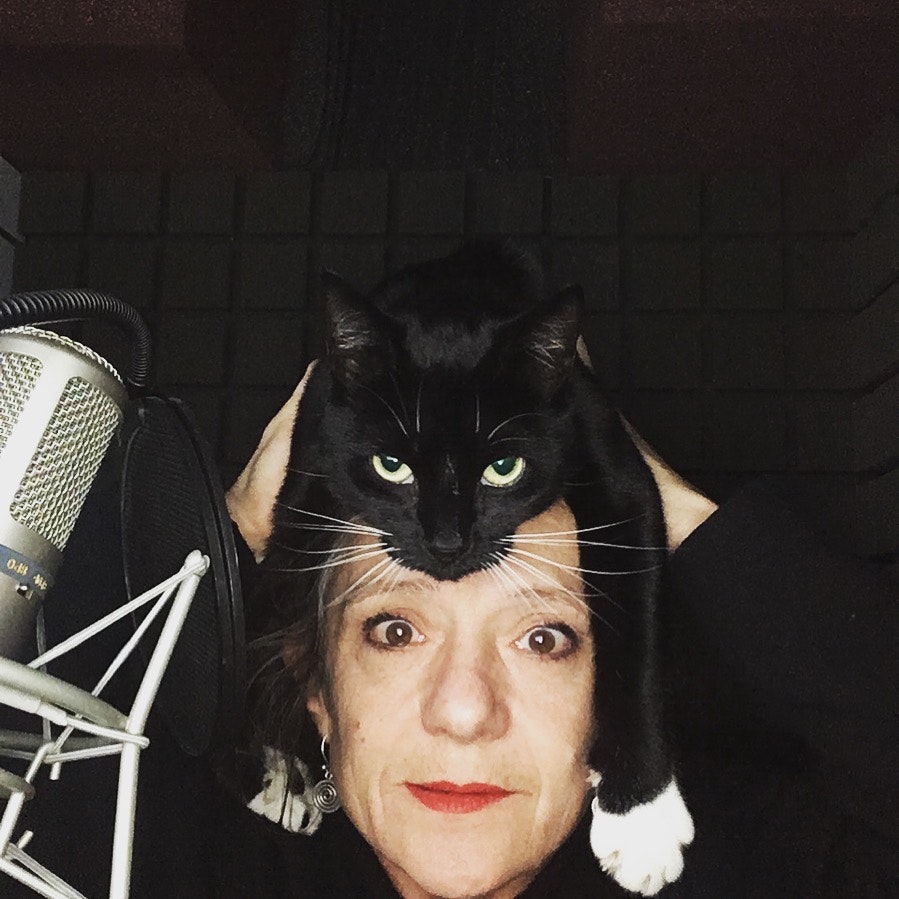
Meet Bethan Dixon Bate, a voice actor whose journey from a love of radio dramas to voicing captivating characters has been anything but ordinary. Bethan’s story is one of persistence, passion, and dedication to her craft. In this interview, she shares the key experiences that shaped her path, from her first steps in voice acting to some unforgettable moments behind the mic. Discover her insights on what it takes to succeed in the industry, her favourite roles, and the joy she finds in bringing stories to life, one voice at a time.
When did you first decide to become a voice actor, and what led you to that decision?
It was a quietly held ambition of mine for many years, which I finally brought into action in 2011 after meeting an old uni friend, now a TV producer, who asked if I’d ever thought about being a voice actor as she felt I had the voice for it. Having someone in the business say that broke the imposter syndrome I had been struggling with. My first step was to sign up for a course in acting for radio at The City Lit, a fantastic adult education centre in London. From there, I took additional acting classes, voice acting classes, and audiobook narration classes. After connecting with others online, I found more advice, workshops, webinars, and voice coaches. I recorded some demos and jumped into the wild west of pay-to-play platforms, which I found a good way to start before I’d built up my own contacts. I was also lucky that the production company which made my demo was just opening a voice acting agency (Damn Good Voices), and I was signed up quite soon after.
Besides talent in voice and acting, what other qualities do you think are essential to succeed in this industry?
As in most industries, being personable, professional, and reliable is essential and goes a long way in turning new clients into repeat clients. Being able to take and respond well to direction is a must, especially in commercials, video games, and radio drama, and excellent sight-reading skills are essential for audiobook narration. Being a bit of a show-off helps too, I think!
Which life experiences have helped you most in becoming a voice actor?
Being brought up in a household where BBC Radio 4 was ALWAYS on was very formative, with the spoken word becoming a backdrop to daily life. Listening to radio dramas and audiobooks from a young age, I understood how magical and transformative the voice can be. Also, being taken regularly to the theatre as a child (many thanks to my wonderful mother for that) gave me a great love of performance, which was nurtured throughout my school years.
How do you manage the pressure of auditions?
I do most auditions from my home studio, so I don’t feel a great deal of pressure. I have the time to carefully prepare and deliver my best take; after that, it’s in the lap of the gods. I understand that many variables are at play on the client’s side when it comes to choosing the right voice, which are beyond my control. So, although it may be disappointing not to get a prized job, I don’t take it hard and simply move on to the next audition.
How do you usually prepare for studio sessions?
By being well-versed with the script and/or character, being fully hydrated and warmed up, and always arriving at least half an hour early — which usually means having a nice cup of tea in a nearby café.
What are your favourite types of projects to work on, and why? (e.g., video games, dubbing, animation, TV, films, etc.)
Video games and animation are definite favourites, as you get to play, inhabit weird and wonderful characters, and become immersed in different realities. In truth, any genre where I get to tell a story, which admittedly covers most areas of voice work, as there’s always a story to be told. Whether it’s a literal story in audiobook narration, a commercial where the story might just be a few lines long, or corporate and documentary narration, where the storytelling is more nuanced but just as important. I love audioguides too, as an added bonus to the storytelling is learning a whole load of new stuff.
Can you tell us about one of your favourite roles?
Narrating a short animation called The Curious Child by Howard Vance. It’s the most beautiful and poignant short film, which went on to win many awards on the international independent short film festival circuit, and I’m proud to be part of it.
What has been your funniest dubbing or voiceover project so far?
Ha! Hearing myself play to an audience of 12,000 heavy metal rock fans at Wembley Arena at a Sabaton gig (they’re a Swedish heavy metal rock band). I recorded intros to several of their numbers and was invited by the band to see them on the London leg of their European tour. I never dreamed they would use my intros as part of their live show. It was totally nuts and very exciting!
What was your toughest dubbing or voiceover project?
It was actually a job for Disney that I did from my booth — a three-hour remotely directed session on probably the hottest day of the year. During the extremely sweaty session, I had to silently wiggle out of my clothes as I was dying from the heat. So, unbeknown to the director, writer, and producer (who thankfully were only in my headphones and not on Zoom), I did most of the session in my bra and knickers.
What advice would you give to someone who’s interested in starting a voice acting career?
Get training, take classes and workshops, and join a voice acting organisation such as The Voiceover Network or Gravy for the Brain, where you’ll find plenty of advice and a wonderfully friendly and supportive community.
Are there any courses, training programmes, or workshops you would recommend?
The Voiceover Network and Gravy for the Brain are two organisations that have helped me tremendously. They run great workshops and conferences and have a treasure trove of archived webinars full of excellent advice and information. Also, The City Lit in London is a great place to start.
Who are some of your favourite producers or voice directors to work with, and why do you enjoy working with them?
I love being directed in games by Kirsty Gilmore, Andrea Toyias, and Kate Saxon; they get the best out of you in the nicest possible ways.
Can you tell us about any current projects you’re excited about ?
All the video games I’ve been working on recently are under NDA, so sadly nothing to say there, but I’m currently narrating the fourth and final book of The Myrtlewood Crones for Podium Audio, a witchy romp featuring four fabulous female protagonists in their 60s. It’s been a delight to narrate a series, and it feels like meeting old friends each time I start the next book.